mysoundtrak is a marketing and strategy agency for brands tired of vanity metrics - and ready to build something that actually compounds. We find the signal. We build the soundtrack.
Our Work
Real campaigns. Honest results. The kind of work that compounds over time rather than spikes and disappears.
Eight years ago "AdviceTech" wasn't a recognised term in Australian wealth management. A research-led content campaign changed that - and made one brand synonymous with the category it created.
A consumer research program that helped wealth managers understand their end investors - and helped a platform find its product voice. B2B2C positioning done properly.
Moving a founder-CEO from keynote circuit to podcast host. 100+ episodes, 750+ listeners per episode. A fixture in the industry conversation, on a format he could actually sustain.
A co-designed industry event turned a passive sponsorship into category leadership. The stand became a billboard. The keynote became a curriculum. The merch became a cultural signal.
From a single white paper to a high-frequency, multi-format B2B media operation. How creating several owned newsletters compounded into 16,500+ readers and a permanent brand presence.
How a Jobs-To-Be-Done framework drove the design of new features and a full design system for a wealth management platform. The insight: people don't use software because it exists. They use it because it does a job they value.
"Most marketing evaporates the moment you stop spending. The best marketing keeps working long after the brief is filed."
Our Services
No cookie-cutter retainers. We work on the problems that actually matter, with the tools that fit the job.
Positioning that means something. Identity that travels. Strategy aligned to where your business actually needs to go - not where it's comfortable.
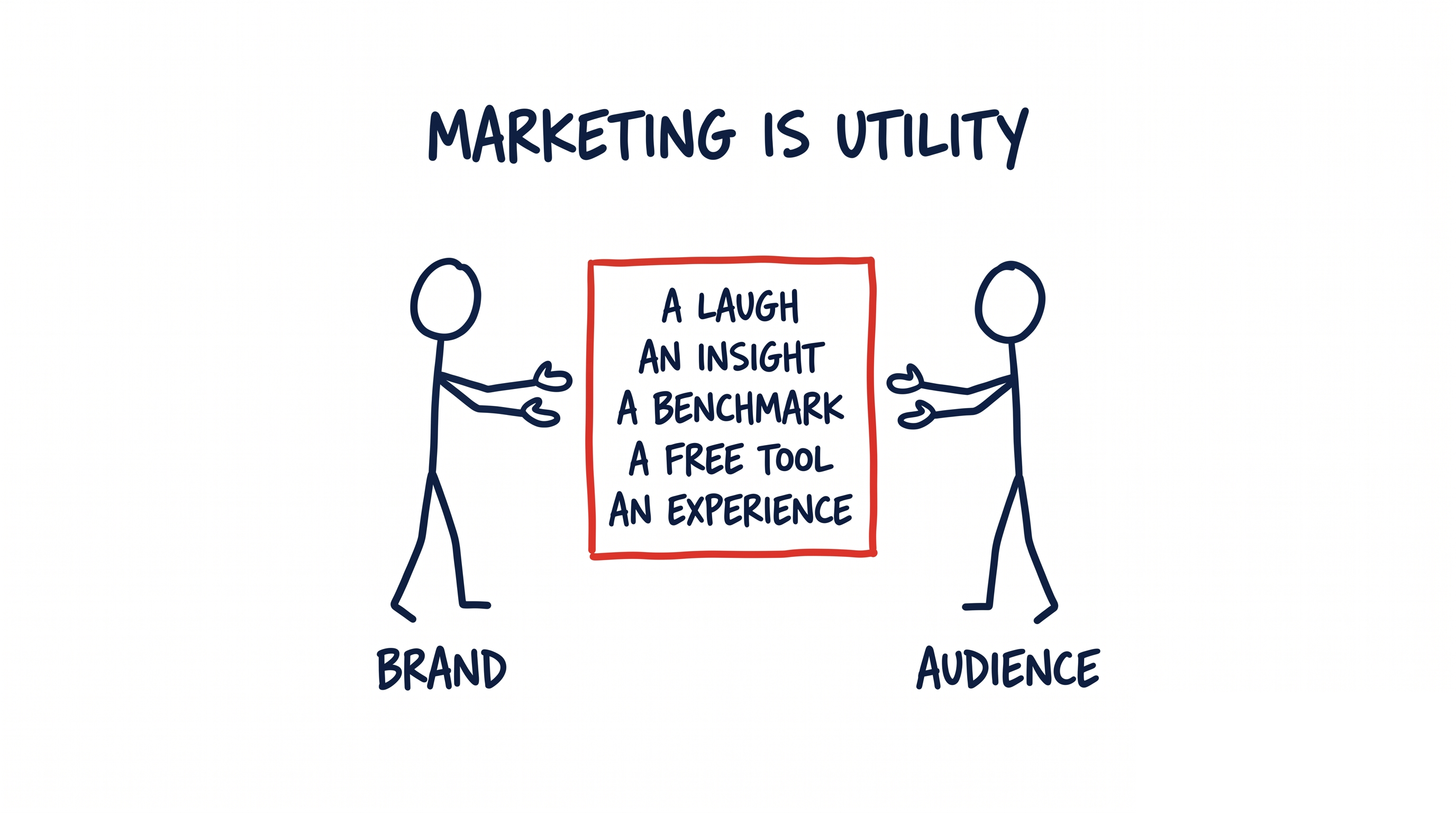
Content that earns attention rather than buying it. Proprietary research, thought leadership programmes, and distribution engines built to compound, not just spike.
The stack should serve the strategy, not the other way around. We help you select, implement, and get value from marketing technology without the consultant theatre.
Paid media that works in service of a real commercial goal. Lead generation, pipeline acceleration, and audience growth - with measurement that tells you what's actually working.
Events that give people a reason to show up, and a reason to remember you. From co-designed industry summits to keynote programmes and roadshow architecture.
Understanding consumer behaviour goes beyond the interface. It's where human, technology, and business intersect - and where the most durable competitive advantages are built.
Ready to start?
That's usually the first question. Let's unpack it together.
Our Thinking
We write about strategy, brand, and the gap between what marketers say and what actually works. Subscribe to The Signal for more.
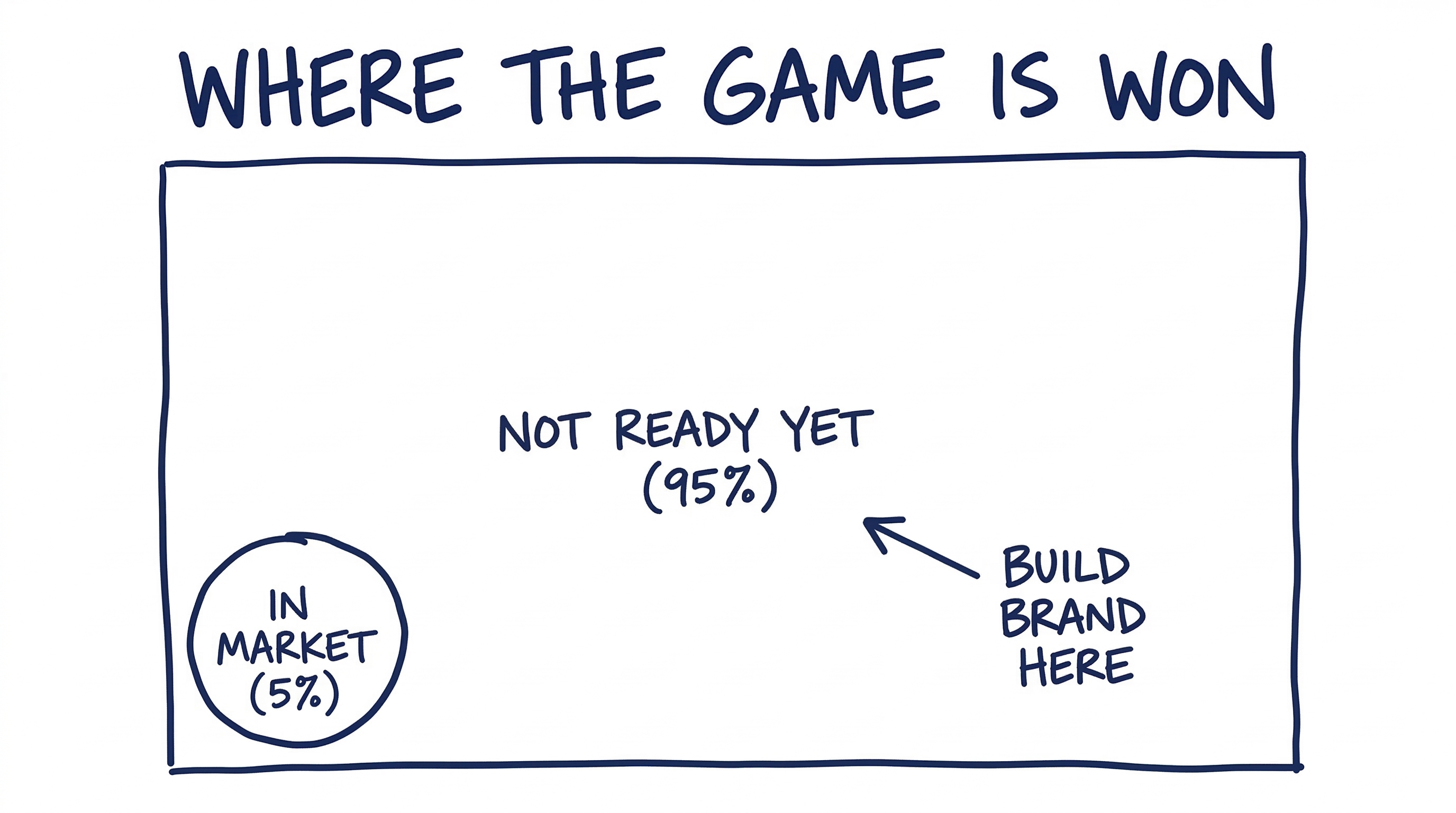
At any given moment, ~95% of your target market isn't looking to buy. Performance marketing reaches the 5% ready to act right now. Brand marketing wins the 95% before the conversation even starts.
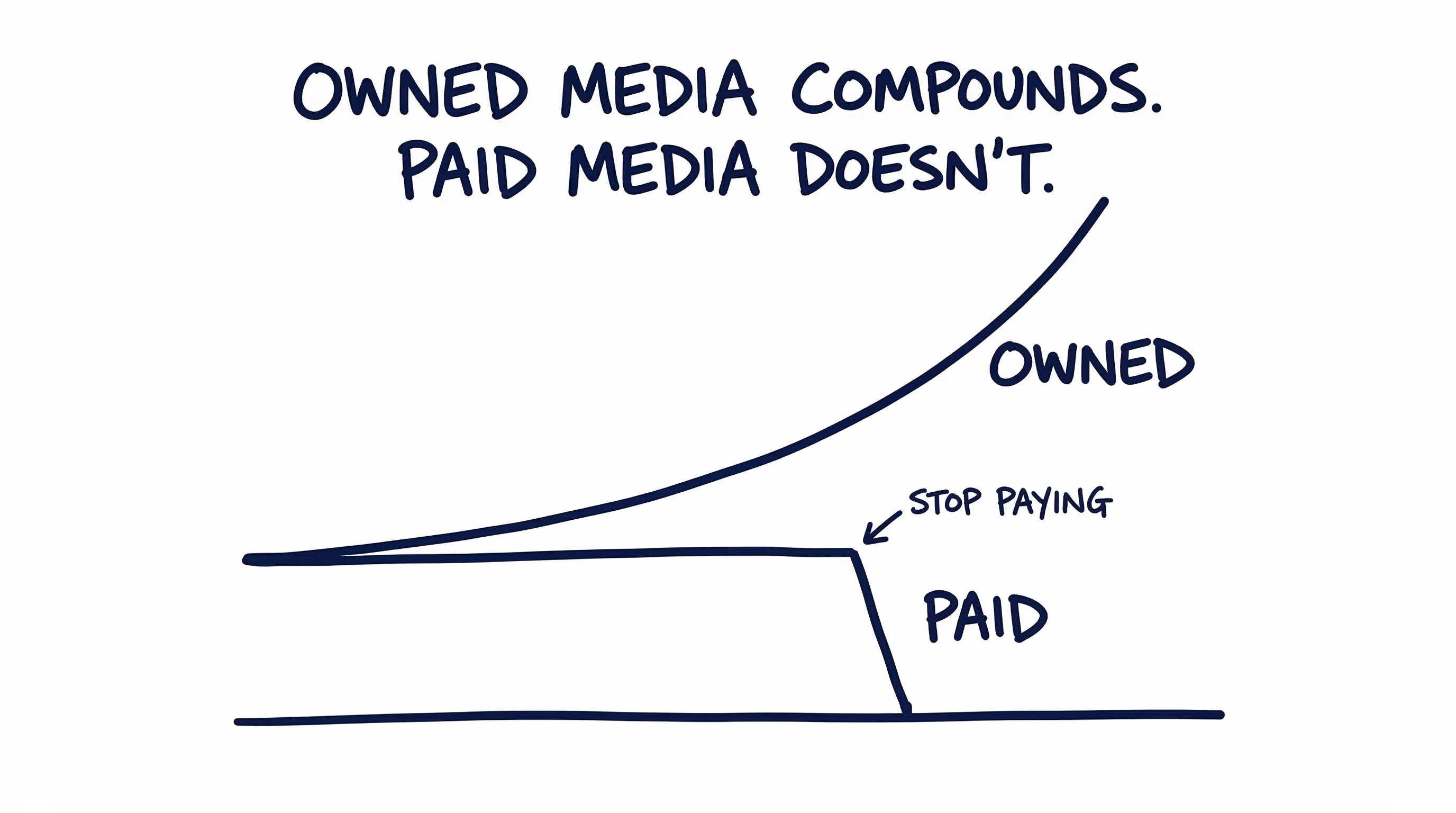
The moment you stop paying for reach, performance media goes to zero. Your owned channels (newsletters, content, community) keep working. One appreciates. One depreciates. Build accordingly.
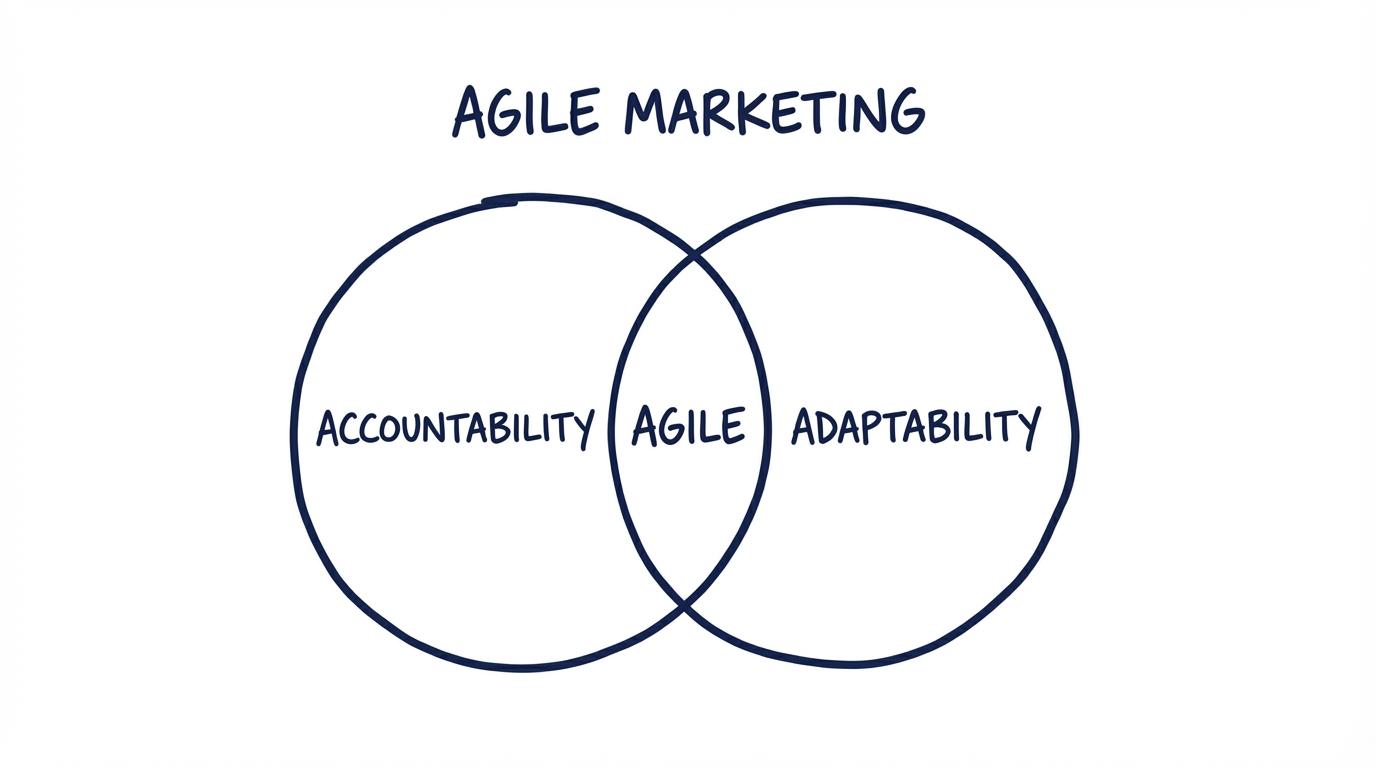
Most teams run agile wrong. They use it as a task list, not a discipline. The real outcome is a team that can move fast and be held to account. Two-week sprints. Real retrospectives. Blockers surfaced early. That's the soundtrack.
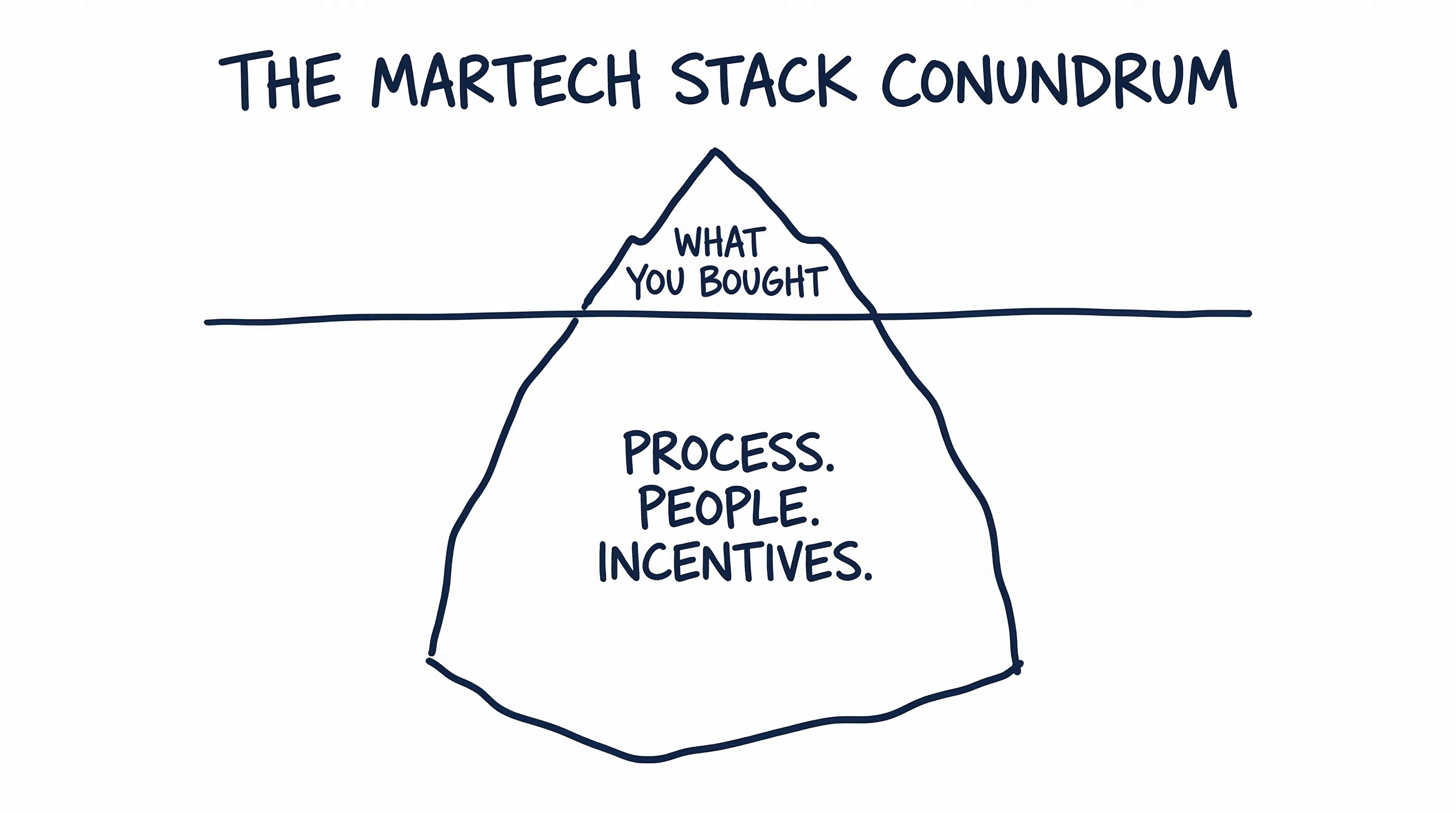
Most organisations buy tools before they've designed the process and then wonder why adoption is poor. Technology should serve process. Too big a stack is a symptom easy to fix with discipline.
80–95% of people at an event will never talk to your sales team at your stand. Designing the stand purely for lead capture ignores the majority of the room - your future pipeline. The brand impression you can make on this audience is usually more valuable than the badge scan.
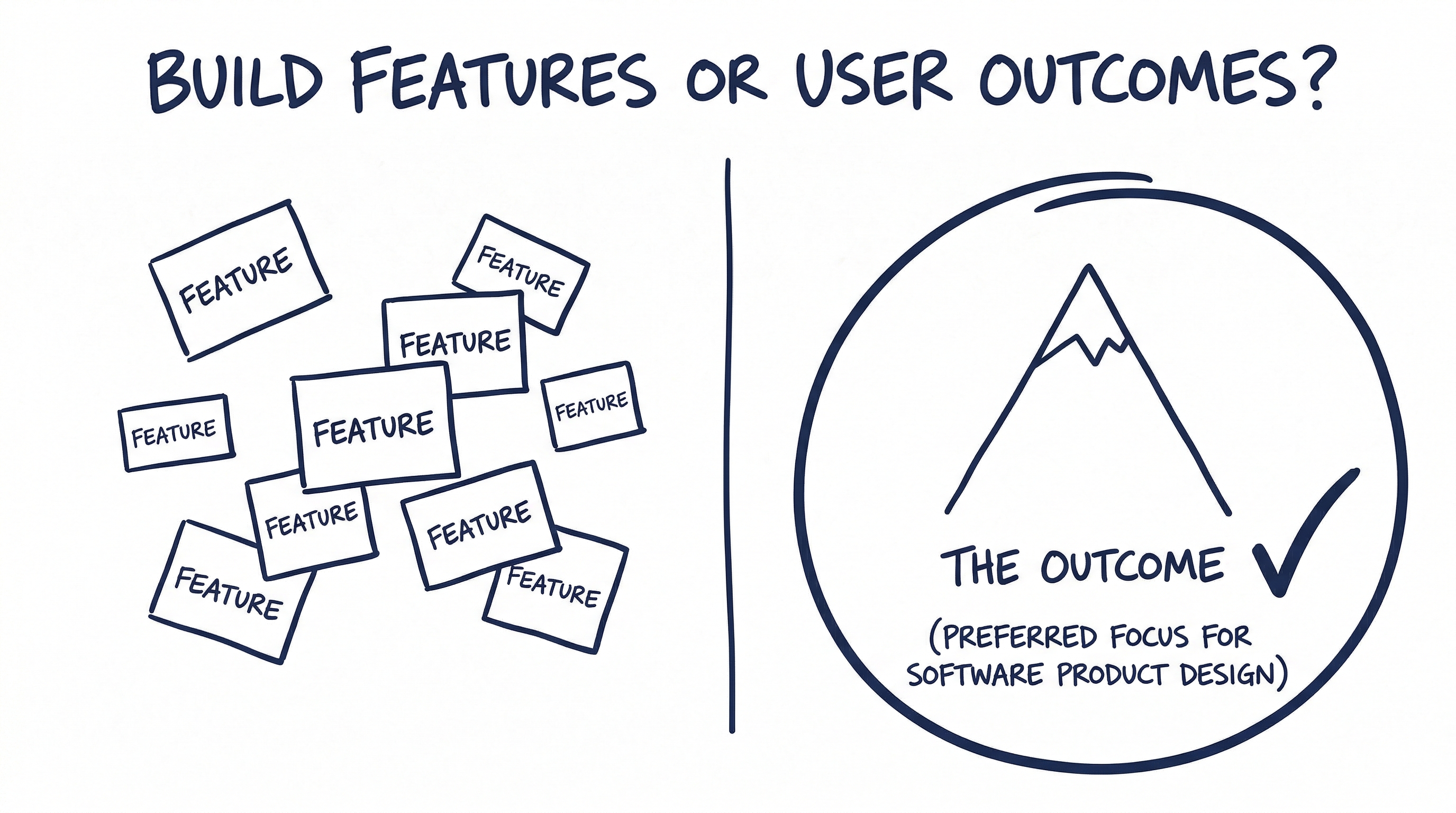
Jobs-To-Be-Done isn't a UX framework, it's a strategic one. When you understand the progress your customer is trying to make, you stop designing features and start designing outcomes. The interface is just the surface. The real design challenge is much deeper.
Subscribe
Our content is founded on one guiding principle: where business, people, and technology meet. We deliver relevant insights and practical actions, just what you need, nothing unnecessary. Designed for busy individuals.
What you can expect
Who We Are
mysoundtrak was built on one observation: most agencies give you the framework. Very few have actually run the plays.
That's not background. That's the methodology. Everything mysoundtrak does is grounded in what actually works when the budget is real, the board is watching, and the market doesn't care about your strategy deck.
We work with companies at meaningful inflection points - launching a category, scaling a marketing function, rebuilding a strategy that's stopped working. We don't do retainer theatre. We do work that moves the needle. We create a soundtrak for your business.
Andrew Braun brings 25 years across software, digital media, wealth, research and scale-up businesses, including 12 years as Head of Marketing at Netwealth (ASX100 NWL), where he built a brand from a challenger footnote into a category owner in Australian wealth management.
We ask what problem we're really solving before we suggest how to solve it. Skipping that step is how you end up with a rebrand when you needed a repositioning.
Every recommendation comes from having run the same play or watched it fail in a real business with real constraints. Frameworks are currency. But only if they've been tested.
We're a thinking partner, not an answer machine. If the brief is wrong, we'll say so. If the strategy has a structural problem, we'll name it - constructively, not just to be difficult.
Contact
Most good projects start with a conversation that isn't a sales call. Tell us what you're working on - what's working, what isn't, and what you're trying to get to. We'll take it from there.
Eight years ago "AdviceTech" was not a recognised term in the Australian wealth management industry. Vendors used disparate language. The conversation was fragmented, anecdotal, and owned by whoever happened to be at the next conference.
"AdviceTech" is now standard industry vocabulary - used by competitors, regulators, trade media, and the firms we set out to serve.
The campaign was built on proprietary research: 300+ Australian advice firms surveyed annually, producing data no competitor could replicate. That structural advantage sustained the programme across eight years without it becoming background noise.
Wealth managers routinely make strategic decisions about service models, fee structures, digital investments, but often don't have the client research to back it. A consumer research content marketing programme changed that.
In B2B, the most powerful positioning is often not about the direct buyer, it's about the person they serve.
1,000+ Australians surveyed annually, segmented across four distinct wealth groups. Six dimensions profiled per segment. The result: a defensible, independently-fielded view of the "Advisable Australian" - their wealth attitudes, behaviours and needs.
The original approach was the most direct one: get the founder on stage at events. Fully scripted keynotes, roadshows, conference appearances. It worked until he became CEO. The time demands of running an ASX-listed business became incompatible with the preparation load of a keynote circuit.
An event keynote presents the founder as an expert. A podcast presents them as a curious, well-connected peer. Both are authority signals. Only one was sustainable.
The podcast, a monthly interview programme with industry leaders and executives, required preparation, not rehearsal. Everything else handled by infrastructure.
Legacy industry events offered little more than a logo on a wall and a speaking slot - passive, undifferentiated, and offering no real advantage over a larger competitor with a bigger budget. The move was from buying a slot to designing the environment.
From "buying a slot" to co-creating the event. Category exclusivity. Agenda influence. The keynote as curriculum, not advertising.
By partnering with a trade media company to co-design a new industry event, the brand moved from exhibitor to host - influencing the agenda, ensuring category exclusivity against competitors, and reaching a new audience
Most content programmes treat a newsletter as a distribution channel for other content. This programme treated newsletters as the product - distinct formats, distinct audiences, distinct editorial voices - built to fill the silence between events & annual research launches to keep the brand present in the daily reading habits of 16,500+ professionals.
Five newsletters. 16,500+ combined readers. A permanent brand presence 52 weeks a year, not just at product launches and events.
Feature design without a framework is guesswork. This programme applied Jobs-To-Be-Done thinking to the design of new features and a full design system for a wealth management platform used by financial advisers, their clients, direct investors, and internal staff. Four distinct user groups. One platform. A framework that forced the team to ask the right question first.
People don't use software because it exists. They hire it to make progress they couldn't make before. Design for the progress, not the feature.
At any given moment, 95% of your addressable market is not in-market. Performance marketing reaches the 5%. Brand marketing wins the 95% before the conversation starts.
Byron Sharp's research, and years of B2B market experience, points to the same inconvenient truth: the vast majority of people who will one day buy from you are not ready to buy right now. They have a vague awareness of a problem. They're in the early stages of a journey that might end in a purchase decision six, twelve, or twenty-four months from now.
Performance marketing - search, paid social, retargeting - is extraordinarily good at reaching the 5% who are in-market today. It is near-useless for the 95% who aren't. And here's the structural problem: if you only invest in performance, you spend your entire budget fighting for the same small pool of active buyers, mostly against competitors who are doing the same thing. You're competing on the last mile while ignoring everything that happens before it.
Want to go deeper? Subscribe to The Signal on Substack
The difference between a campaign and an asset is what happens when you stop paying. One goes to zero. One keeps going.
Every dollar spent on paid media produces results exactly proportional to what you spend, and stops the moment you stop. That's not a criticism - performance media serves a real and important commercial function. But it's a rental arrangement, not an ownership one.
Owned media (a newsletter, a podcast, a research programme, a content library) works differently. The first edition of a newsletter costs as much to produce as the fiftieth. But by the fiftieth edition, you have a compounding asset: an audience that trusts you, a body of work that ranks and circulates, and a brand presence that exists independently of your media budget.
Subscribe to The Signal for more thinking on content strategy
Accountability without adaptability is rigidity. Adaptability without accountability is chaos. Agile, done properly, is what happens at the intersection.
Most marketing teams that "do agile" are actually doing a watered-down version of it - a task board with no retrospectives, stand-ups that are actually status updates, and sprint planning that's just a list of things that need doing anyway. The form without the function.
The actual discipline of agile marketing creates two things that most marketing teams don't have enough of: transparency about what's happening and why, and a structured mechanism for changing course when things aren't working. Done properly, it surfaces blockers early, makes trade-offs visible, and creates a culture where stopping a campaign that isn't performing is a decision, not a failure.
More on building marketing teams that actually work: The Signal on Substack
Before you buy another tool, ask: what behaviour is this technology supposed to change - and why isn't it changing without it?
Most organisations approach martech selection as a procurement problem: find the tool with the best features at the best price, implement it, and hope the results follow. The results rarely follow - not because the tool is wrong, but because the underlying process it was supposed to automate was never designed properly, the team using it was never trained properly, or the incentives that determine how people actually behave were never examined.
Show me an organisation with seventeen tools in its marketing stack and I'll show you a team that hasn't committed to doing any of them well. The stack proliferates because each new tool feels like progress. It usually isn't. It's usually an avoidance strategy for a harder problem.
Subscribe to The Signal for more thinking on marketing operations and technology.
80–95% of people in an expo hall will never stop and talk to your sales team. Design the stand for them - not for the five percent who will.
The dominant assumption in event marketing is that a stand exists to generate leads: attract attention, collect badges, follow up. That assumption drives most of the decisions - competitions designed to bring people over, merchandise used as bait, stand layouts optimised for conversation capture.
The problem is that optimising for active buyers ignores the vast majority of the room. The 80–95% who are not actively in-market will walk past your stand, form an impression, and move on. That impression - positive, negative, or forgettable - shapes whether they think of you when they eventually are in-market. The passive audience is your future pipeline. Designing a stand that works only for active buyers is designing for a fraction of the opportunity.
More on brand strategy: Subscribe to The Signal
When you understand the progress your customer is trying to make, you stop designing features and start designing outcomes.
Jobs-To-Be-Done is not a UX framework. It's a strategic one. It starts from a simple but uncomfortable observation: nobody wants your product. They want the progress your product makes possible. The product is just the best available means to an end they were already trying to reach.
This reframe changes everything about how you design. Instead of asking "what features should we build?" you ask "what job is the customer trying to get done, and what would it take for them to hire our product - or a competitor's, or nothing at all - to do it?" The answers to those questions reveal a completely different product priority than almost any internal roadmap process would produce.
Thinking on CX, design, and product strategy: Read The Signal